The era of flimsy, chalky white plastic patio chairs is long gone. Today, polymer engineering has revolutionized outdoor seating, yielding materials that offer the heft of wood and the weather resistance of marine-grade composites, entirely redefining the "plastic chair."
When discussing high-end plastic seating, two distinct manufacturing paths dominate the landscape: injection-molded polypropylene and extruded lumber composites (commonly known by trade names like Polywood). While both rely on synthetic chemistry, their structural profiles, aesthetics, and use-cases are entirely divergent.
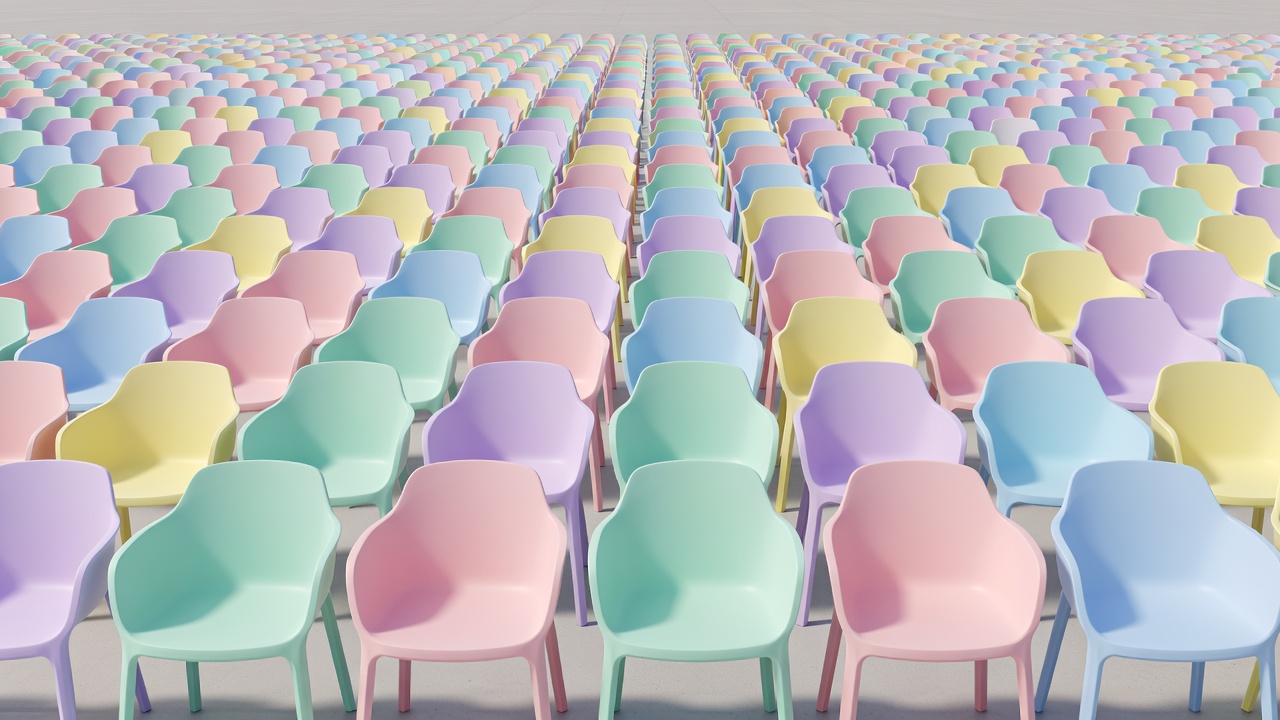
Injection-molded chairs are created by forcing molten polypropylene (often reinforced with fiberglass for rigidity) into a complex mold. This process allows for incredible fluidity of design. Architects and designers utilize this method to create seamless, single-piece (monobloc) chairs featuring organic curves and structurally complex, lattice-like backs that would be impossible to achieve in wood or metal. Modern polypropylene is deeply saturated with UV stabilizers, ensuring that the vibrant, matte colors—ranging from muted sages to striking mustards—do not chalk or fade under intense sunlight.
Conversely, extruded composite plastics, specifically High-Density Polyethylene (HDPE) lumber, are designed to replicate the exact dimensions and weight of traditional timber. Often manufactured from post-consumer recycled plastics, such as milk jugs and detergent bottles, this material is extruded into solid planks. These planks are then cut, drilled, and assembled using stainless steel hardware, exactly as a carpenter would build a wooden chair. The iconic Adirondack chair is heavily represented in this material.
The genius of HDPE lumber lies in its absolute imperviousness. Unlike wood, it possesses no porous cellular structure. It cannot absorb water, will never rot, cannot splinter, and is immune to marine environments, making it exceptional for coastal properties exposed to salt spray. The color runs entirely through the board, meaning deep scratches are virtually invisible.
Weight and Environmental Factors
A common critique of older plastic chairs was their lack of mass; they were easily launched across a garden by a stiff breeze. Poly-lumber resolves this issue entirely. An HDPE Adirondack chair often weighs in excess of 20 kilograms, providing a reassuringly permanent footprint on a patio. Injection-molded chairs, while lighter, utilize fiberglass webbing to add density and structural stability far beyond standard consumer plastics.
From an ecological standpoint, the narrative around plastic is shifting. While virgin plastics remain problematic, the vast majority of high-end resin and HDPE lumber chairs are built heavily upon recycled feedstocks. Their extreme durability—often warrantied for 20 years or more—prevents them from ending up in landfills after a few seasons, contrasting sharply with cheap, low-grade tubular metal or untreated softwood chairs.
Zero-Maintenance Reality
The definitive advantage of synthetic polymers is the absolute elimination of maintenance. Teak requires oiling; iron requires touch-up paint; rattan requires gentle cleaning. Resin and poly-lumber require nothing more than occasional surface washing.
Should an HDPE chair accumulate organic matter or moss in a shaded, damp corner of the garden, it can simply be aggressively pressure-washed—a process that would destroy rattan and strip paint from metal. They are unaffected by freezing temperatures and do not require winter storage or specialized breathable covers.
For the consumer prioritizing modern aesthetics, vibrant permanent colors, or a complete lack of maintenance without sacrificing structural weight, contemporary plastic and resin compositions represent the pinnacle of utilitarian outdoor design.